The Oregon Trail
In short: The Oregon Trail is a simulation game released in 1971 by MECC, available on PC. Our score: 8.5/10 (highly recommended).
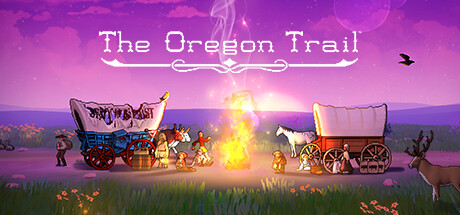
A classic educational computer game that simulates the 19th-century pioneer life on the Oregon Trail. Players manage resources, hunt for food, and make decisions to keep their wagon party alive.
The Oregon Trail is a seminal educational computer game that first captivated players in 1971. Developed by MECC, it plunges players into the harsh realities of 19th-century pioneer life, tasking them with guiding a wagon party from Independence, Missouri, to Oregon City, Oregon. More than just a game, it's a historical simulation that teaches resource management, decision-making, and the unpredictable challenges faced by those who embarked on the iconic westward journey. Players must contend with a myriad of obstacles, including unforgiving weather, treacherous river crossings, illness, and dwindling supplies. Every decision carries weight, from choosing how much food and ammunition to pack, to deciding whether to hunt for provisions or trade with settlers. The game famously features random events that can drastically alter the course of the journey, such as wagon breakdowns, snakebites, and the ever-present threat of dysentery. The permadeath mechanic, where party members can die from various misfortunes, adds a layer of genuine consequence and historical accuracy. Beyond its educational value, The Oregon Trail has achieved legendary status in gaming culture. Its simple yet effective gameplay loop, combined with its memorable phrases and challenging scenarios, has left an indelible mark on generations of gamers. It's a testament to timeless design, proving that a compelling concept and engaging mechanics can transcend technological limitations and remain relevant for decad…
Game details
- Developer: MECC
- Publisher: MECC
- Release year: 1971
- Platforms: PC
- Category: simulation
Our review
The Oregon Trail remains a timeless classic, offering a unique blend of educational content and engaging survival simulation. While its graphics are understandably dated given its age, the core gameplay loop of resource management, tough decision-making, and navigating unforeseen challenges holds up remarkably well. The historical context is deeply embedded, making every journey a lesson in pioneer life. The constant threat of disease, hunger, and environmental hazards creates genuine tension and makes success feel truly earned. Its value lies not just in its entertainment but in its profound historical immersion and replayability.
Pros
- Historically accurate and educational
- Challenging resource management
- High replayability
- Iconic and influential gameplay
Cons
- Outdated graphics
- Can be repetitive for some
- Random events can feel unfair
FAQ
- Why do my party members keep dying?
- Deaths are a common occurrence in The Oregon Trail, reflecting the harsh realities of pioneer life. Common causes include disease (dysentery, cholera, measles), starvation, snakebites, and injuries from accidents. Ensure you have enough food, medicine, and that you're making good decisions at river crossings and other perilous events.
- How do I get more food?
- You can get food by hunting wild animals, buying it at forts or trading posts, or finding it along the trail (rarely). Hunting is the most common method, but requires ammunition and can result in wasted meat if you can't carry it all.
- What supplies should I prioritize at the start?
- Prioritize oxen, spare wagon parts (wheels, axles, tongues), and ammunition. Food is important, but you can usually hunt for it. Medical supplies are also crucial for treating illnesses.
- Is there a 'best' profession to choose?
- Each profession (banker, carpenter, farmer) offers different starting money and bonus points upon completion. Farmers start with less money but get a higher score bonus. Bankers start with the most money, making the early game easier. There's no single 'best,' it depends on your playstyle preference.
- How do I cross rivers safely?
- You have three options: ford the river (walk across), caulk the wagon and float it, or pay for a ferry. Forging is risky in deep or fast-flowing rivers. Caulking is safer for deeper rivers but can still fail. Ferries are the safest but cost money. Assess the river's depth and speed before deciding.
More about this game
Similar games
Last updated: 02/04/2026